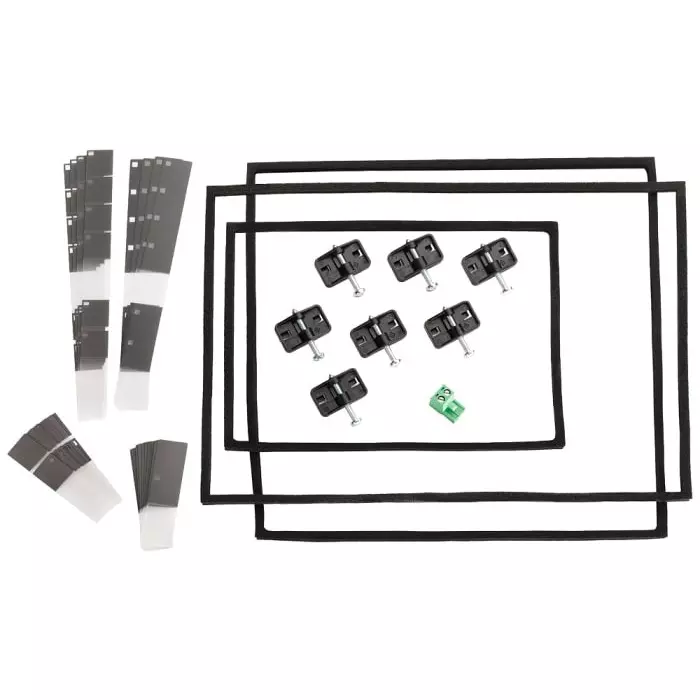
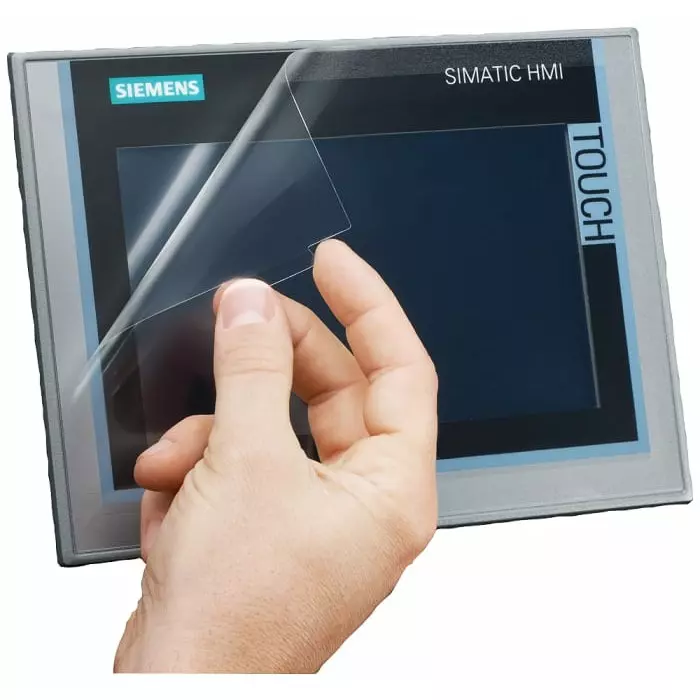
The Siemens 3RW5980-0HF00 HMI modules for 3RW55/3RW52, also known as HMI panels or HMI displays, are components used to provide a graphical user interface for interacting with machines, systems, or processes. They serve as a visual and interactive medium through which users can monitor, control, and configure various parameters and functions of the connected equipment. Here are some key points about HMI modules: 1. Graphical User Interface: HMI modules feature a display screen that presents information in a visual format. This can include text, graphics, icons, and animations. The graphical interface allows users to interact with the connected equipment using touchscreens, buttons, or other input methods. 2. Monitoring and Control: HMI modules provide real-time monitoring and control capabilities. Users can view and monitor critical parameters, such as temperature, pressure, speed, or status indicators. They can also control the operation of equipment by adjusting settings, activating or deactivating functions, or initiating specific commands. 3. Data Visualization: HMI modules facilitate the presentation of data in a clear and intuitive manner. They can display data trends, historical records, alarms, and events, enabling users to analyze and make informed decisions based on the displayed information. 4. Alarms and Notifications: HMI modules can generate alarms and notifications to alert users about abnormal conditions, faults, or events. These alerts can be displayed on the screen, accompanied by audible or visual indicators, or even sent remotely to other devices or systems. 5. Connectivity and Integration: HMI modules are often designed to connect and integrate with other devices, systems, or networks. They can communicate with programmable logic controllers (PLCs), sensors, actuators, SCADA (Supervisory Control and Data Acquisition) systems, or other industrial automation equipment. This connectivity allows for data exchange and coordination between different components of the system. HMI modules are widely used in various industries, including manufacturing, process control, energy, transportation, and building automation. They enhance the control, monitoring, and visualization capabilities of systems, enabling users to effectively operate and manage complex equipment and processes.


 Type of Product : Connecting Cable